
When it comes to decorating for the holidays, one of the biggest decisions you’ll face is led vs incandescent christmas lights. Both types have loyal fans and unique benefits. Some love the warm glow of traditional bulbs. Others swear by the energy-saving power of modern LEDs. Understanding the differences helps you make a smart, safe, and festive choice.
The debate between led vs incandescent christmas lights covers cost, safety, brightness, and environmental impact. Each option performs differently on trees, rooftops, and outdoor displays. Moreover, personal taste plays a big role. Your climate, budget, and design goals all influence which lights suit your home best. This guide breaks down every factor so you can decide with confidence.
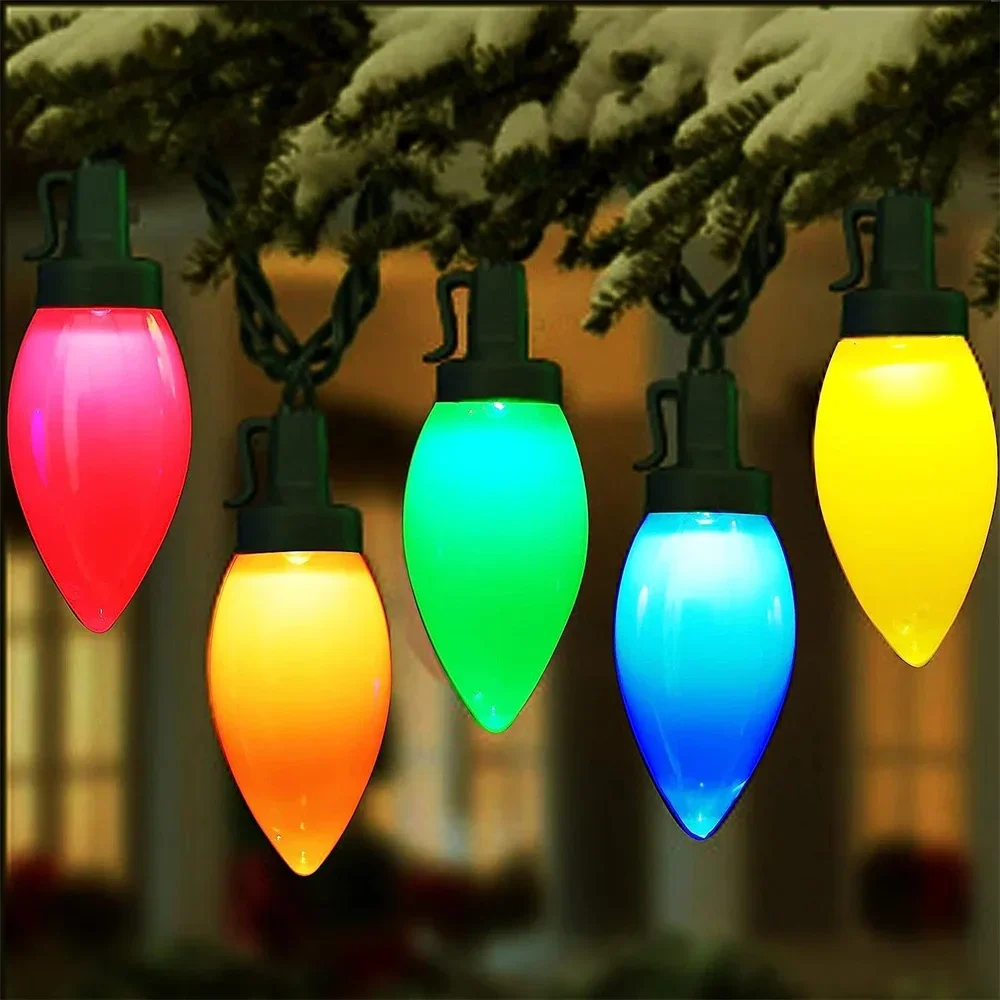 Energy Efficiency and Cost Comparison
How Much Will Your Lights Really Cost Over Time?
One major difference in the led vs incandescent christmas lights debate is energy use. LED bulbs consume up to 80% less electricity than incandescent ones. This means lower utility bills during the holiday season. For example, a string of 100 mini LED lights uses about 4 watts. The same number of incandescent bulbs uses around 40 watts.
Over four weeks of nightly display, that adds up. A single incandescent strand might cost 2 3 in electricity. An LED version costs just 0.25 0.50. Multiply that by multiple strings, and the savings grow fast.
Upfront, LEDs cost more. A basic LED string may be priced at 12,while incandescents go for . However, LEDs last much longer. Most are rated for 25,000 to 50,000 hours. Incandescent bulbs often fail after 1,000 to 2,000 hours. That means fewer replacements over time.
As a result, LEDs pay for themselves within a few seasons. Even if you only decorate for 30 days each year, long-term savings are clear. Meanwhile, incandescent users keep buying new sets due to burnouts.
Also, many power companies offer rebates for energy-efficient lighting. Check local programs before purchasing. These discounts improve ROI even further.
Ultimately, choosing LEDs reduces both monthly bills and yearly spending. It’s a smarter financial move in most cases.
Lifespan and Durability
Which Lights Last Longer Through the Seasons?
Durability matters when comparing led vs incandescent christmas lights. LEDs win hands-down in longevity. They are built with solid-state technology and no fragile filaments. As a result, they resist shock, vibration, and rough handling.
Incandescent bulbs rely on thin tungsten wires inside glass enclosures. These break easily during storage or installation. One dropped string can mean lost bulbs and wasted time. Moisture or cold weather increases failure risks too.
LEDs handle extreme conditions better. They perform well in freezing temperatures. Many are labeled for indoor and outdoor use. Their plastic casings resist cracking. Even if a bulb cracks, the rest of the string usually stays lit.
Most LED sets last 10 years or more with seasonal use. Incandescent versions may need replacing every 1–3 years. Burnouts happen often, especially in older strands.
Storage also affects lifespan. LEDs survive coiled-up boxes without stress. Incandescent wires tangle and snap under pressure. Over time, this leads to early replacement.
Additionally, LEDs are less prone to “cascading failures.” If one bulb goes out, others stay on. In some incandescent strings, a single dead bulb kills the whole set. Diagnosing issues takes time and testers.
For families who reuse decorations, durability is key. Fewer replacements mean less clutter and waste. Long-lasting lights support sustainable traditions.
Therefore, LEDs offer greater reliability across multiple holiday seasons.
 Brightness and Light Quality
Evaluating Glow, Color, and Visual Appeal
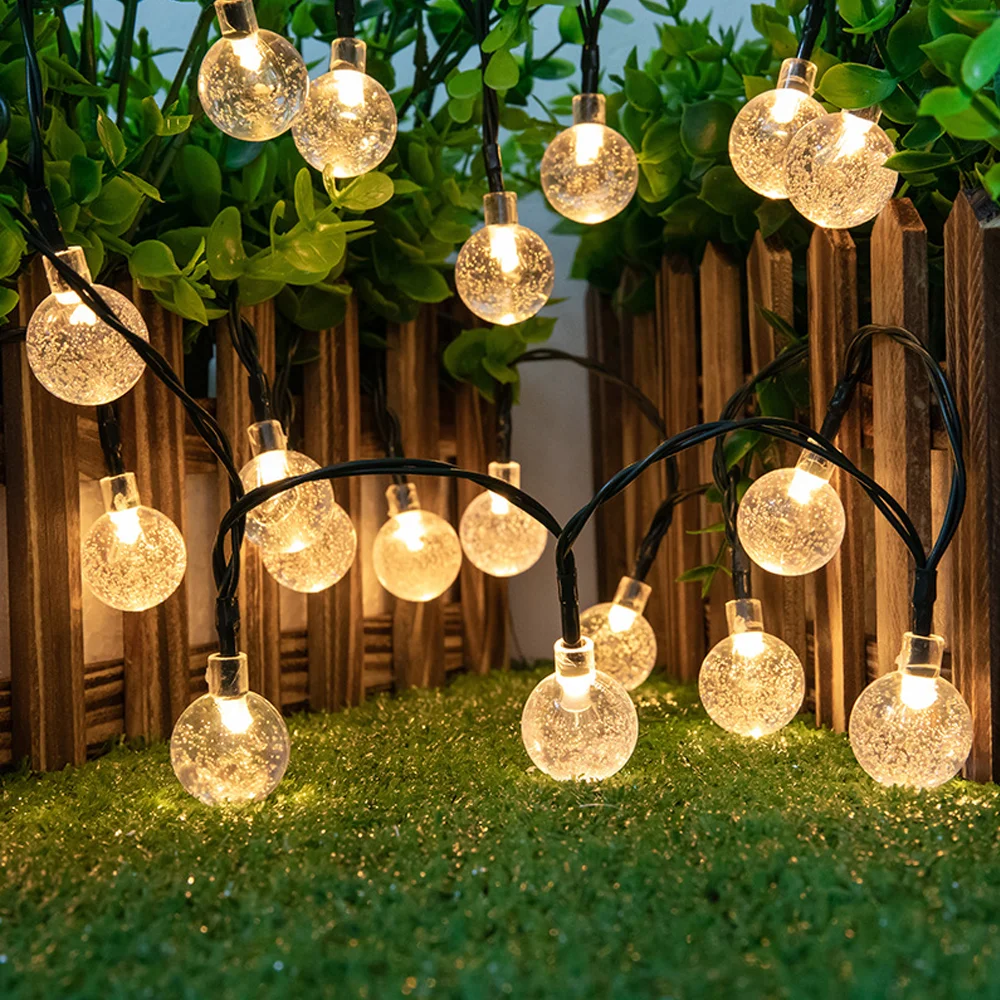
Brightness and color quality play a big role in the led vs incandescent christmas lights decision. Incandescent bulbs emit a warm, soft glow. Many people describe it as cozy or nostalgic. This look resembles candlelight and fits traditional decor themes.
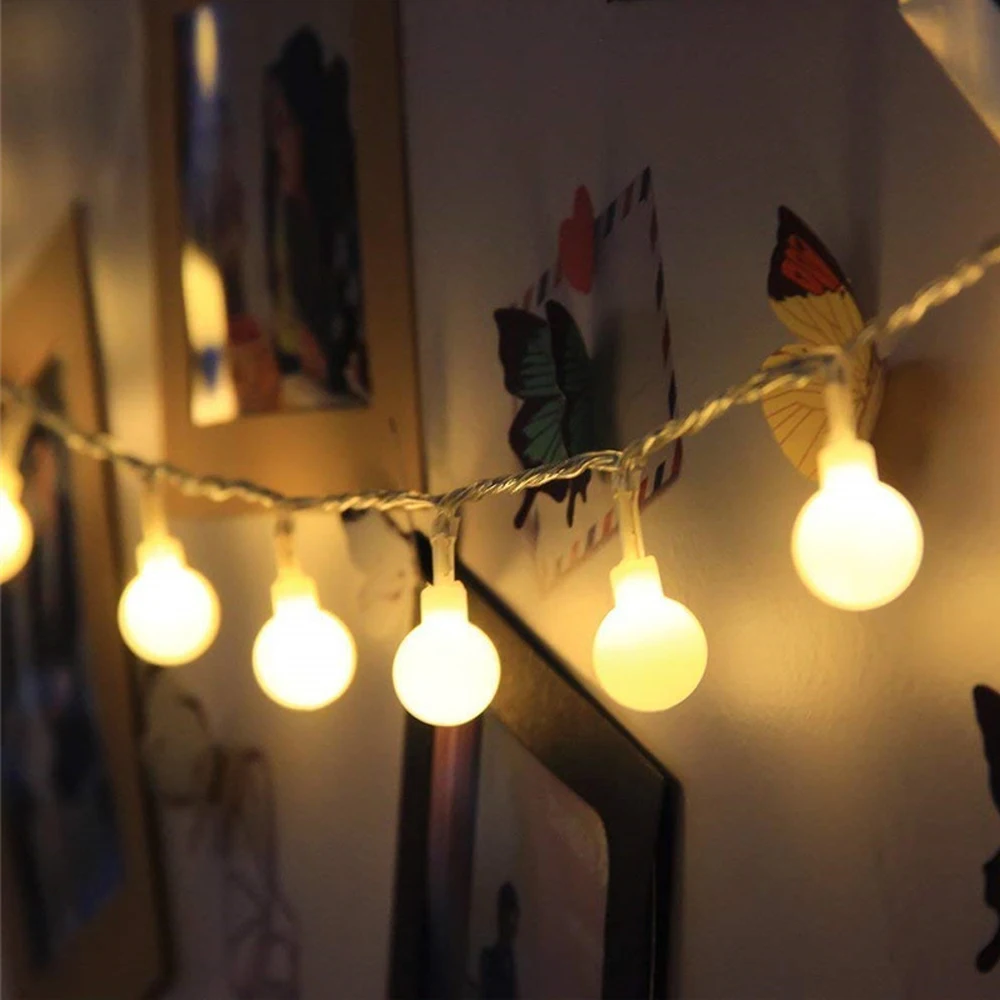
LEDs come in various color temperatures. Warm white mimics incandescent tones closely. Cool white appears brighter and sharper. Daylight versions feel clinical and are less common for holidays.
Some LED strings now use frosted or diffused lenses. These soften the light and reduce harsh spots. Others offer multi-color modes with remote controls. These features add fun but may not suit classic styles.
In terms of raw brightness, LEDs often appear brighter per watt. They focus light efficiently. Incandescent bulbs spread light widely but lose energy as heat.
Color consistency is another factor. Older incandescent batches sometimes mix slightly different shades. LEDs maintain uniform hues across a string. This creates a cleaner, more polished display.
However, some critics say LEDs look “too perfect” or “plastic-like.” They lack the slight flicker and depth of real filament bulbs. To address this, manufacturers now offer “vintage-style” LEDs. These mimic the look of old-school bulbs with retro shapes and warmer finishes.
Outdoor visibility differs too. LEDs stand out better in daylight or fog. Their focused beams cut through winter haze. Incandescents fade faster in bright conditions.
Ultimately, preference depends on your aesthetic. Choose incandescents for warmth. Pick LEDs for clarity and variety.
Heat Output and Safety Considerations
Preventing Fire Hazards and Protecting Your Home
Safety is critical when deciding between led vs incandescent christmas lights. One major advantage of LEDs is low heat output. They remain cool to the touch even after hours of use. This makes them safer near dry trees, curtains, or paper decorations.
Incandescent bulbs generate significant heat. The filament must glow hot to produce light. After 30 minutes, surface temperatures can exceed 150°F (65°C). On a dry Christmas tree, this increases fire risk.
The National Fire Protection Association reports hundreds of fires linked to holiday lights each year. Many involve overloaded circuits or faulty incandescent sets. Using outdated or damaged strings worsens danger.
LEDs run cooler and reduce this risk dramatically. They also draw less current. This lowers stress on electrical outlets and extension cords. You can safely connect more LED strings end-to-end. Most allow 40+ sets on one circuit. Incandescents often limit to 3–5 strings.
Indoor trees benefit greatly from cooler lights. Real evergreens dry out quickly. Heat speeds up dehydration. LEDs help preserve moisture and freshness.
Outdoors, snow and ice can trap heat. Incandescent lights may melt snow around wires. This causes dripping and short-circuit risks. LEDs avoid this issue.
Always check labels for safety ratings. Look for UL-listed or ETL-certified products. Avoid using indoor-only lights outside. Water exposure can lead to shocks or shorts.
For homes with kids or pets, cooler lights are a safer bet. Curious hands or paws won’t get burned.
Overall, LEDs provide peace of mind. They let you enjoy bright displays without worry.
 Environmental Impact and Sustainability
Making an Eco-Friendly Choice for the Holidays
The led vs incandescent christmas lights comparison includes environmental factors. LEDs are far more eco-friendly. They use less energy. This reduces carbon emissions from power plants. Over time, widespread use lowers overall holiday pollution.
Manufacturing processes differ too. LEDs require more resources upfront. However, their long life offsets initial impact. One LED string replaces dozens of incandescent ones. Less plastic, packaging, and shipping occur over time.
Incandescent bulbs burn out fast. Discarded sets pile up in landfills. Glass and metal components don’t always get recycled. Broken bulbs pose minor hazards.
Many cities now promote LED use during holiday events. Municipalities save money and meet green goals. Some offer free LED swaps for old incandescent strings.
Recycling options exist but vary by region. LEDs contain small electronic parts. They should not go in regular trash. Check local e-waste centers for drop-off points.
Energy conservation supports broader climate efforts. Lower demand means fewer fossil fuels burned. This aligns with growing awareness about sustainability.
Even small choices matter. Switching one household’s lights cuts kilowatt-hours annually. Multiply that across millions of homes. The effect becomes significant.
For environmentally conscious families, LEDs match values. They celebrate tradition without harming the planet.
Thus, choosing LEDs supports long-term planetary health.
Installation and Maintenance Tips
Setting Up and Storing Your Holiday Lights
Ease of use influences the led vs incandescent christmas lights decision. LEDs are lighter and easier to handle. Their thinner wires reduce tangling. Many come pre-coiled on reels for simple unwrapping.
Incandescent strings tend to knot easily. Thicker copper wiring holds shape poorly. Untangling takes time and patience. Frustration builds when bulbs pop during unspooling.
Both types need secure mounting. Use plastic clips instead of nails or staples. These protect siding, gutters, and shingles. Roof lines, windows, and trees all work with proper fasteners.
When connecting multiple strands, follow manufacturer limits. Never overload a single outlet. Use surge protectors or timers to manage load. Plug outdoor lights into GFCI outlets for safety.
Test all strings before hanging. Plug them in fully and check for dark sections. Replace dead bulbs early. For incandescents, use a light tester to find faults.
After the holidays, remove lights carefully. Start at one end and coil slowly. Store in original boxes or dedicated bins. Label each set by location or color.
Use cardboard spools or plastic reels to prevent kinks. Avoid wrapping tightly around sharp edges. This damages internal wires.
Keep spare bulbs and fuses handy. Incandescent kits often include extras. LED sets rarely need replacements.
Proper care extends life and saves time next year. Well-maintained lights stay functional for many seasons.
 Frequently Asked Questions
Common Concerns About LED vs Incandescent Christmas Lights
Can I mix led and incandescent christmas lights? Not on the same circuit. They have different voltage needs. Mixing may cause flickering or damage.
Do LEDs really last longer? Yes. Most last 25,000+ hours. Incandescents average 1,000–2,000 hours.
Are LEDs safe for real trees? Absolutely. They produce almost no heat. This reduces fire risk significantly.
Why do some LEDs flicker? Cheap brands or incompatible dimmers cause this. Buy high-quality sets from trusted brands.
Can I leave lights on all night? Yes, especially LEDs. Use timers to turn them off automatically. Saves energy and extends life.
Do incandescent bulbs give a warmer glow? Yes. But modern warm-white LEDs mimic this look closely.
Are LEDs recyclable? Partially. They contain electronics. Take them to e-waste facilities. Do not throw in regular trash.
Where can I buy reliable holiday lights? Hardware stores, department retailers, or online shops carry tested options. Search “led vs incandescent christmas lights” for reviews.
 Final Thoughts
Choosing the Best Option for Your Holiday Needs
Deciding between led vs incandescent christmas lights comes down to priorities. If you value savings, safety, and sustainability, LEDs are the better choice. They last longer, use less power, and reduce fire risks. Their versatility suits most decorating styles.
However, if you cherish the classic glow and nostalgic feel, incandescents still have charm. Some collectors and traditionalists prefer their soft shimmer. Just accept higher costs and shorter lifespans.
For most households, LEDs offer the best balance. They deliver brightness, durability, and peace of mind. Advances in design now bridge the visual gap.
Ultimately, your decision shapes how you celebrate. Whether you choose modern efficiency or vintage warmth, the goal remains the same—joyful, safe, and memorable holidays. And with the led vs incandescent christmas lights facts clear, you can shine brightly with confidence.